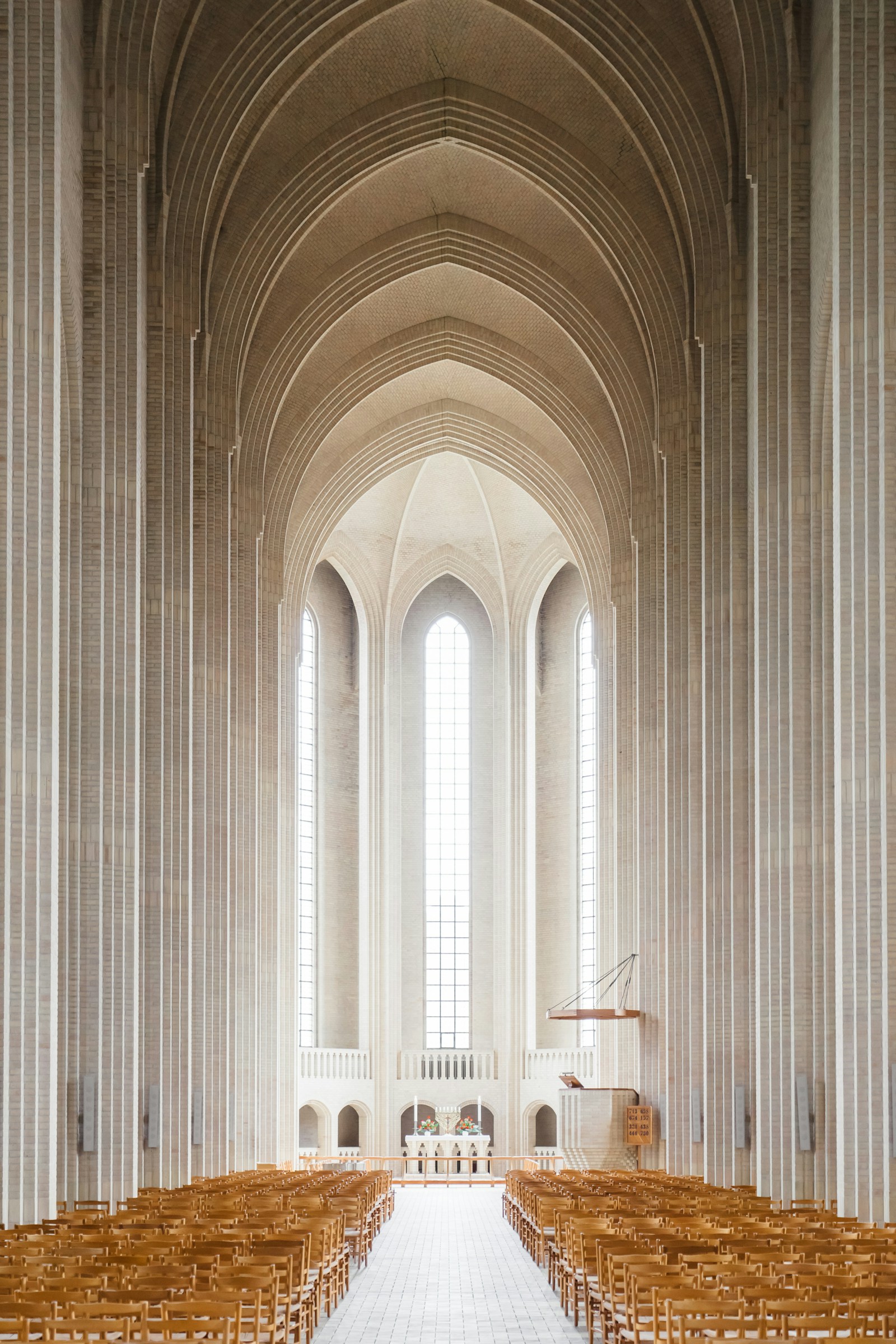
Christian teaching about the return of Jesus is meant to awaken hope, not manufacture panic. Scripture presents history as the unfolding of a purposeful plan: Christ has already won the decisive victory over sin and death, yet the full visibility of that victory has not arrived. We live in the meaningful space between promise and fulfillment, where faith must become practical and hope must shape the way we treat God, other people, and the world entrusted to us.
The “Already” and the “Not Yet”
The New Testament holds two truths together. Through Jesus’ death, resurrection, and ascension, the decisive work of redemption has already been accomplished. The price has been paid, and the authority of the risen Christ is not an uncertain future possibility. At the same time, we do not yet see every part of creation openly submitted to him. Suffering, injustice, death, and rebellion remain visible realities.
This tension explains why Christian life can feel both victorious and difficult. The kingdom of God has begun, but its final restoration is still ahead. Believers are not waiting for God’s plan to start; they are participating in a plan already set in motion. The apparent delay is not evidence of divine indifference. It is presented in Scripture as an extension of mercy, allowing more people time to turn toward God and receive life.
Chronos, Kairos, and the Limits of Human Prediction
Scripture’s language about time gives depth to this expectation. Chronos suggests ordinary, measurable time—the sequence marked by clocks and calendars. Kairos points to an appointed or decisive moment, a season whose significance comes from God’s purpose. The return of Christ is not something human beings can schedule through speculation. It belongs to the Father’s authority.
Jesus’ teaching about the fig tree offers a useful image. When its branches become tender and leaves appear, people recognize that summer is near. They can discern the season without identifying the exact day. In the same way, Christians are called to spiritual attentiveness rather than date-setting. Jesus explicitly warned that no one knows the day or hour. Any interpretation that turns biblical prophecy into a timetable goes beyond what Christ permitted.
This balance matters. Indifference ignores the urgency of Jesus’ teaching, while sensationalism claims a certainty that Scripture withholds. A faithful response is watchfulness: a steady awareness that history is moving toward accountability and renewal, joined to humility about what remains unknown.
What Is Holding Back the Final Unveiling?
In his second letter to the Thessalonians, Paul speaks of a restraining power connected with the unveiling of lawlessness. The Greek term often discussed in this passage is katechon, commonly understood as “the one who restrains” or “what restrains.” Christians have interpreted this in different ways. Some see it as the ordering authority that prevents society from collapsing into total chaos. Others connect it with the Holy Spirit’s work through the church.
The passage does not invite confident speculation about a single modern institution or political figure. Its central point is that evil is not outside God’s limits. The final outbreak of rebellion does not happen because darkness has seized control of history. It happens only within boundaries permitted by God and at the time appointed by him.
That truth also gives ordinary faithfulness significance. Prayer, integrity, public justice, compassion, and the church’s witness are not meaningless activities performed while the world waits. They are ways God’s people participate in preserving goodness and displaying the character of the coming kingdom.
Three Ways to Understand the Hope of Christ’s Return
Creation waits for renewal
Paul describes creation as groaning and waiting for liberation. The biblical hope is larger than the rescue of individual souls from a physical world that God has abandoned. The Creator intends to restore creation itself. Human rebellion damaged the relationship between people, God, and the earth, but the final work of Christ includes the renewal of all things.
This perspective should make Christians neither careless about the environment nor obsessed with every disaster headline. Earthquakes, wars, ecological crises, and social instability may remind us that the world is not as it should be, but they do not give us permission to assign dates to the end. They should deepen our longing for restoration and strengthen our responsibility to care for what God has made.
God is gathering his adopted family
Paul uses the language of adoption to describe the believer’s place in God’s family. In the ancient Roman setting, adoption involved a genuine transfer of status: the adopted person received the rights of an heir, and former obligations no longer defined the person’s legal identity. The image emphasizes grace, belonging, and security.
Christian identity is therefore not built on wealth, reputation, productivity, or an unblemished past. It rests on God’s decision to receive people through Christ. The message of hope is personal: God is not merely managing a cosmic schedule. He is calling people home, giving them a new identity, and teaching them to live as beloved heirs.
Justice will finally be complete
The New Testament also speaks of believers’ future involvement in the judgment of angels. Whatever details one’s tradition emphasizes, the passage points to the seriousness of the spiritual conflict and the dignity God gives to those restored in Christ. Rebellion will not continue forever, and evil will not be allowed to define reality permanently.
Final judgment is not a celebration of human revenge. It is the necessary end of corruption and the public establishment of God’s just rule. The hope of judgment assures victims that their suffering is seen and assures the world that cruelty, deceit, and oppression will not have the last word.
Refusing a Borrowed Identity
One of the most subtle dangers in anxious times is allowing circumstances to define personal worth. People may measure themselves by income, professional recognition, family approval, past mistakes, or the opinions of those who have wounded them. Christian hope challenges each of these measures.
According to the gospel, a person’s deepest identity is not “failure,” “success,” “outsider,” or “unworthy.” It is the identity of someone invited into reconciliation with God. That invitation does not deny sin or excuse harm. It offers forgiveness, transformation, and a future stronger than the labels imposed by shame.
The return of Christ should therefore move believers away from frantic self-protection and toward faithful courage. Those who know they belong to God can resist systems built on fear, status, and deception. They can tell the truth, repent when wrong, forgive without pretending that injustice is harmless, and serve without needing applause.
Reading the Signs Without Losing Wisdom
Jesus spoke of wars and rumors of wars, famine, earthquakes, growing lawlessness, spiritual deception, and false messiahs. These warnings describe a world marked by instability and confusion. They are not a code for calculating a date. Similar conditions have appeared in many generations, and every generation must take the warning seriously without claiming more knowledge than it has.
One sign deserves particular attention: the proclamation of the gospel among all nations. Modern communication has made it possible for the message of Christ to cross borders and reach people at a speed earlier generations could not imagine. This is significant, but it still should not be turned into a prediction formula. The right response is faithful witness—speaking truthfully about Jesus and embodying his love wherever we are.
Discernment is especially important when teachers use fear to gain attention, money, or control. Christians should test claims against Scripture, reject date-setting, and remember that urgency never excuses manipulation. A message about the end should produce holiness and compassion, not obsession and contempt.
Hope That Becomes a Way of Life
Biblical hope is more than optimism. It is confidence grounded in God’s character. Believers expect what they cannot yet see because they trust the One who promised it. This hope has sustained Christians through persecution, poverty, war, grief, and uncertainty. It does not make suffering unreal; it prevents suffering from becoming the final interpretation of life.
That hope should change everyday choices. If Christ’s kingdom is near, reconciliation should not be postponed indefinitely. A family grievance, an unspoken apology, or a neglected act of mercy deserves attention now. The brevity of life is not a reason to panic; it is an invitation to use time deliberately.
Prayer, generosity, service, patient endurance, and quiet acts of kindness all matter. Heaven sees what people overlook. A prayer whispered in weakness, a decision to forgive, and a practical act of care may appear small, yet they belong to the larger story of redemption. Christians are not passive spectators waiting for history to end. They are participants in God’s work within history.
The Church as a Visible Sign of the Coming Kingdom
The church is more than a building or a weekly event. It is meant to be the visible body of Christ in the world—a community where the character of the coming kingdom can be seen before the kingdom is fully revealed. Service to the vulnerable, generosity toward neighbors, truthful teaching, and comfort for the grieving make future hope tangible in the present.
No congregation is perfect. Churches are made of people who still need grace, and disappointment within a community can leave deep wounds. Yet isolation is not the biblical design for discipleship. A healthy community helps believers persevere, corrects them when necessary, shares burdens, and keeps hope from becoming merely private or abstract.
An Open Door of Grace
The patience of God is both a warning and an invitation. The delay of final judgment means that the opportunity to respond remains open. Anyone burdened by guilt, spiritual failure, or years of distance from God can turn toward him. Christian faith does not require impressive words or a perfect record. It begins with honest recognition of need, trust in Christ, and willingness to receive forgiveness and new life.
Those who already believe but feel spiritually cold are not beyond renewal. The same grace that first called them can restore their attention and love. The goal is not to maintain fear-driven religious activity but to live as children who know the Father’s welcome and therefore can face the future with confidence.
The Final Horizon
The biblical story ends not with meaningless destruction but with restoration. Revelation portrays God wiping away tears and abolishing death. The future promised in Christ is not simply a return to Eden; it is the fulfillment of creation in a renewed world where sin, sickness, grief, and death no longer rule.
That promise gives the present both dignity and direction. Creation matters. People matter. Justice matters. The way we use time matters. The return of Jesus is not an invitation to escape responsibility but a reason to live faithfully while we wait.
So the central question is not, “Can I identify the exact date?” It is, “How should I live if I truly believe that Christ is Lord, that he will return, and that my life is held within God’s redemptive purpose?” The answer is clear: remain awake, reject deception, practice love, pursue holiness, seek reconciliation, serve others, and hold firmly to hope. The future belongs to Christ, and that future should already be shaping us today.